If there is one truth about the journey of recovery, it’s that it rarely looks like a straight line. It looks more like a scribble—a chaotic, looping, frustrating, and often heartbreaking scrawl. The recent news emerging from Las Vegas regarding former NBA champion Lamar Odom’s arrest for DUI on January 17, 2026, has sent shockwaves through the sports and recovery communities alike. But for those of us who study the architecture of addiction, this isn’t just a headline; it is a stark reminder of the chronic nature of substance use disorders.
For Gen Z and Millennials, who have pioneered a cultural shift toward destigmatizing mental health, seeing a public figure stumble can be confusing. We root for the comeback. We want the “happily ever after.” But addiction doesn’t care about our narrative arcs.

Despite his involvement in the wellness industry, Lamar Odom’s recent legal troubles highlight that the road to recovery is rarely a straight line.
This post isn’t about judgment. It’s about dissecting the anatomy of a relapse, the dangerous ecosystem surrounding celebrities, and the evidence-based reality of what it actually takes to heal when the world is watching.
The Vegas Incident: A Wake-Up Call, Not a Moral Failure
On the night of January 17, 2026, Las Vegas authorities apprehended Odom following erratic driving patterns. While the tabloids will focus on the mugshot, we need to focus on the mechanism. Odom, a man who has famously battled death’s door in a Nevada brothel years prior, has been open about his struggles with cocaine and opioids.
However, a DUI suggests a different, insidious enemy: the substances society deems “acceptable”, such as THC and alcohol. Whether it was one of these or another impairing substance, the arrest highlights a critical misunderstanding of sobriety. Relapse is not an event; it is a process. It usually begins weeks or months before the substance is ever consumed—starting with emotional withdrawal, isolation, or the belief that “just one drink” is manageable.
Understanding Relapse: The Science Behind the Setback
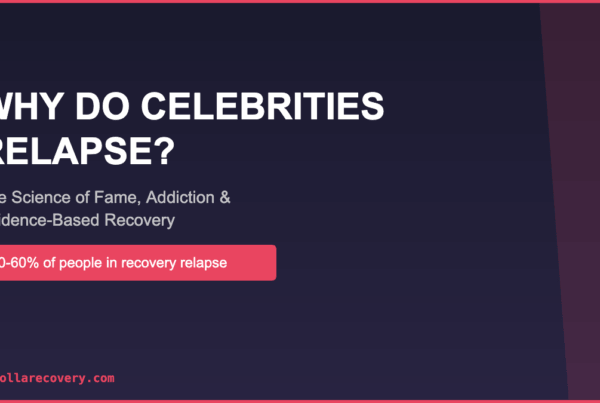
Why is relapse so common? According to the National Institute on Drug Abuse (NIDA), the relapse rate for substance use disorders is between 40% and 60%—strikingly similar to relapse rates for other chronic illnesses like Type I diabetes, hypertension, and asthma. Yet, we treat addiction relapse as a sin rather than a symptom.
Relapse occurs because addiction rewires the brain. Long after the chemicals leave the system, the neural pathways associated with reward, stress, and impulse control remain altered.
- The Prefrontal Cortex: This is the decision-making center. In addiction, it is often hijacked by the amygdala (the emotional center).
- Triggers: Environmental cues (like being in Las Vegas) can trigger a dopamine spike in anticipation of the drug, overpowering logical thought.
For someone like Odom, the challenge of long-term sobriety is fighting biology, not just “bad choices.”
The “Perfect Sobriety” Myth and the Celebrity Trap
Society expects sobriety to be binary: you are either using, or you are “cured.” This binary thinking is dangerous. It creates a pressure cooker where any slip-up is viewed as a total failure, often leading to the “What the Hell Effect”—a psychological phenomenon where a person feels that since they’ve already messed up, they might as well go all the way.
The Ecosystem of “Yes Men”
One of the most significant barriers to recovery for the wealthy and famous is the entourage. In the world of celebrity, confrontation is a currency that few can afford to spend.
“It is incredibly difficult to tell a multi-millionaire to go to bed, put down the bottle, or check into rehab when your paycheck depends on them liking you.”
Managers, agents, and hangers-on often operate within a conflict of interest. Long-term healing—which might require 6 to 12 months away from the spotlight—affects the short-term finances of everyone on the payroll. If the talent isn’t working, the agency isn’t eating. This dynamic creates an environment of enabling, where “handling” the problem is preferred over “treating” the problem.
We have seen this narrative play out tragically with figures like Prince, Tom Petty, and Matthew Perry. The people closest to them were often the ones facilitating the supply or looking the other way to keep the machine running.
Why 30 Days is Rarely Enough: The Danger of the “Quick Fix”
There is a pervasive myth in Hollywood and mainstream media that a 28 or 30-day stint in a luxury rehab cures addiction. This is the “car wash” approach to mental health: you go in dirty, you come out clean.
The Reality: The brain takes significantly longer to heal. Post-Acute Withdrawal Syndrome (PAWS) can last for up to two years. During this time, individuals experience:
- Severe anxiety
- Sleep disturbances
- Cognitive fog
- Emotional volatility
Many celebrities have died because they utilized short detoxes as a band-aid. Detox clears the body, but it does not treat the mind. Without long-term residential care (90 days minimum is the gold standard suggested by many addiction specialists) followed by sober living and intensive outpatient therapy, the neural pathways of addiction remain dormant, waiting for a spark.
The Slippery Slope: Alcohol, “California Sober,” and Harder Drugs
In the wake of the legalization of marijuana and the omnipresence of alcohol culture, many recovering addicts attempt what is colloquially known as being “California Sober“—abstaining from “hard” drugs like heroin or crack while continuing to drink alcohol or smoke weed.
For a brain sensitized to dopamine spikes, this is playing with fire. Alcohol lowers inhibition. It targets the same reward centers as opioids. For someone with a history of severe chemical dependency, alcohol is rarely a safe harbor; it is the waiting room for a return to the drug of choice.
Lamar Odom’s DUI suggests that alcohol may have been the vehicle for this relapse. The danger here is cross-addiction. The brain doesn’t distinguish between the dopamine from a drink and the dopamine from a pill—it just screams “More.”
When Self-Help Fails: Professional Protocols for Chronic Relapse
When books, podcasts, and willpower aren’t enough, and when a celebrity has “tried everything,” what is actually left? The clinical recommendation for those with multiple relapses involves a drastic pivot from standard care.
1. Dual Diagnosis Treatment
Addiction is rarely a solo act. It almost always travels with co-occurring disorders such as Bipolar Disorder, PTSD, or Major Depressive Disorder. Unless the underlying mental health condition is treated concurrently, the addiction will return as a form of self-medication. (See: Chappell Roan and the pressure of expectations).
2. Trauma-Informed Care (EMDR)
For many, substance use is a way to numb past trauma. Therapies like Eye Movement Desensitization and Reprocessing (EMDR) help reprocess traumatic memories so they no longer trigger the urge to escape.
3. Duration and Commitment
Professionals recommend a “Step-Down” approach:
- Inpatient Detox (5-10 days): Medical stabilization.
- Residential Treatment (30-90 days): Deep psychological work.
- PHP/IOP (3-6 months): Reintegrating into society while spending days in therapy.
- Sober Living (6-12 months): Living in a structured environment.
This timeline is inconvenient for a celebrity schedule, but it is essential for survival.
Navigating Mental Health: Tailored Support
Mental health support is not one-size-fits-all. Depending on the severity of the relapse and the mental state, intervention looks different:
- Mild/Moderate: Weekly cognitive behavioral therapy (CBT) and community support groups (AA/NA/Smart Recovery).
- Severe/Chronic: Medication-Assisted Treatment (MAT) using FDA-approved medications like Naltrexone or Buprenorphine to reduce cravings, combined with intensive psychotherapy.
As we see in complex cases (like the discussions surrounding Theo Von’s insights on addiction), the “white-knuckle” approach of just trying harder is rarely successful.
Conclusion: The Messy, Beautiful Work of Trying Again
Lamar Odom’s arrest in January 2026 is a headline, but for him, it is a life-or-death struggle. It serves as a potent reminder to us all: Recovery is not a destination; it is a daily reprieve. It requires rigorous honesty, therapy, a circle of people who value your life over your bank account, and the humility to accept that biology is a formidable opponent.
For the Gen Z and Millennial generation, let this be a call to look beyond the “perfect” Instagram recovery aesthetic. Real healing is messy. It involves setbacks. It involves uncomfortable conversations with friends who are enabling us. And sometimes, it involves realizing that the “soft” drugs are just as dangerous as the hard ones when your brain is wired for addiction.
If you or a loved one are caught in the cycle of relapse, understand that “self-help” has its limits. There is no shame in escalating your care. When the books fail and the online forums aren’t enough, professional intervention isn’t a defeat—it’s a strategy.
Don’t wait for the DUI or the headline. Reach out for professional help today.
By Jace A.
Related Reading: Curious about the science behind how GLP-1 medications like Ozempic and Wegovy are changing addiction treatment? Read our in-depth look at The Unexpected GLP-1 Side Effect: How Ozempic Is Helping People Quit Alcohol.
See Also: For another look at how fame and addiction intersect, read Tiger Woods 2026 DUI: Relapse, Fame & Recovery Lessons.