Coronavirus and Telehealth
What do we know about Wuhan coronavirus?
The arrival of Wuhan’s coronavirus in the United States has set off alarms. Cases have appeared in South Korea, Thailand, and Japan. Now, a person in Washington state who recently traveled to China has also tested positive. This respiratory infection is part of a large family from which we still have much to learn.
Airports like Toronto and John F. Kennedy in New York have taken precautionary measures. They use thermal cameras to analyze body temperature. Additionally, officials review all passengers arriving from China with special caution, in what officials consider a “critical stage”.
On January 22, the World Health Organization (WHO) convened an emergency meeting. The goal was to decide whether this outbreak qualifies as an international health emergency. The director of the Department of Public Health and Environment of this agency, the Asturian María Neira, said there is a general concern about what experts recommend is prudence and perspective.
WHAT IS THE CORONAVIRUS?
According to the official WHO definition, “coronaviruses are an extensive family of viruses, some of which may be the cause of various human diseases, ranging from the common cold to SARS (severe acute respiratory syndrome).” Its name is due to mutations, such as peaks, that protrude from its membranes, resembling the solar corona.
The new strain of coronavirus commonly called “Wuhan coronavirus” was identified by Chinese scientists on January 8. There is no certainty about the source of this pathogen.
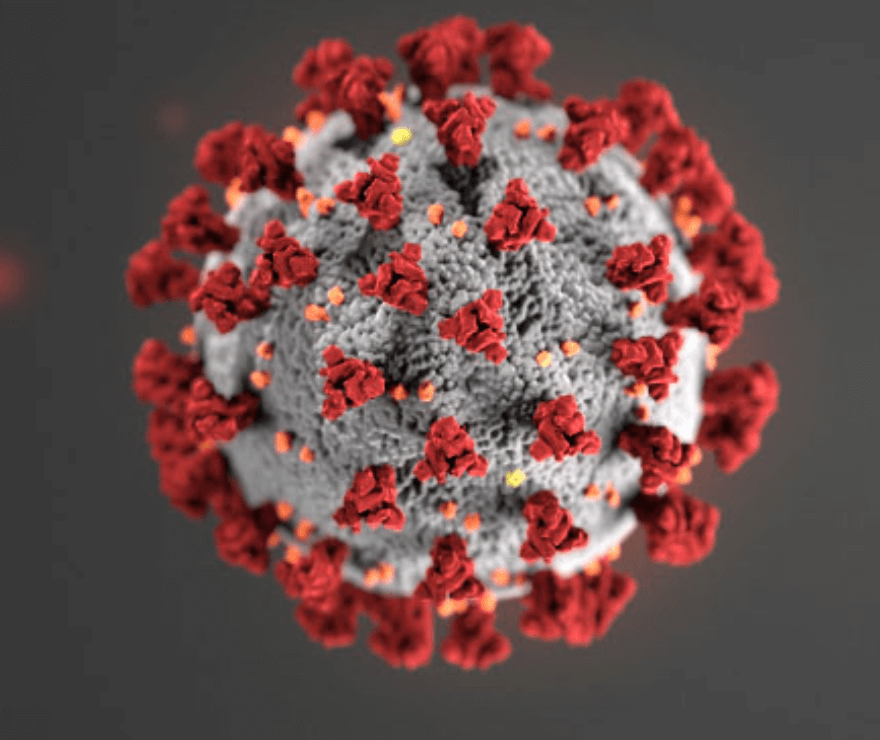
coronavirus news san diego
SYMPTOMS OF CORONAVIRUS
Although not all patients manifest the same clinical picture, those infected with this type of coronavirus experience a series of symptoms. Common symptoms include high fever with chills, cough, nasal discharge, joint pain, and fatigue. In more serious cases, patients may develop pneumonia. These symptoms can resemble a common cold, which typically improves within five days. Wuhan pneumonia also shows symptoms quickly. However, unlike the common flu, coronaviruses pose a much greater danger.
CORONAVIRUS PREVENTION
According to the Centers for Disease Control and Prevention and, as usual in these situations, it is recommended to avoid contact with affected people and not touch their eyes, nose or mouth without washing, wash their hands frequently, for 40 seconds and wear protections such as gloves or masks when in contact with farm or wild animals.
As for the affected patients who present a clear symptomatology, they are always advised to cover themselves when coughing and sneezing, maintain a safe distance, frequently discard handkerchiefs or paper and wash their hands and face often.
SOLUTION – TELEHEALTH
Fortunately, the clinical world may already have a solution — telehealth. The remote service is already used to improve health access and outcomes. For COVID-19, telehealth can be a way to help fight the virus. Clinicians could triage potential patients remotely. This approach protects health care workers and their communities from exposure. Beyond the benefits to the public, telehealth would also help individuals overcome barriers to getting to a clinic such as finding child care, taking off from work, using public transportation or getting to health care facilities from rural or remote areas. Patients no longer need to sit anxiously in crowded waiting rooms every time someone coughs or sneezes nearby. When an individual does fit the criteria, their clinician can instruct them how to come in for testing in the safest way.
Nowadays, telehealth is inexpensive and simple – it takes less than 5 minutes to set up a virtual clinic using a platform. They would provide a browser-based solution with secure, private video consultations and support clinical workflows. It could even provide in-call clinical tools for diagnostics and treatment. Using such a platform requires only a stable internet connection and a modern device with a speaker, microphone, and camera.
How does telehealth help in a global health emergency:
- Hospital patients can use medical devices as needed. They simply connect with staff via video for checkups throughout the day. This limits physical interaction between patients and healthcare providers.
- Travelers from mainland China in self-imposed quarantine can check in with their healthcare provider via video. This eliminates the need to visit a healthcare center and risk spreading the disease.
- Individuals showing mild flu symptoms can check in with their healthcare provider vid video, to determine whether they need further action.
- Geography poses no barrier. People still in mainland China or elsewhere can easily contact doctors for personal health advice.
- Using video consultation services reduces the strain on clinics, hospitals and emergency services, ensuring teams use resources efficiently.