Alcohol Withdrawal Detoxification in San Diego
Are you seeking assistance with alcohol withdrawal?
Find the support you need to embark on a journey toward long-term sobriety from alcohol.
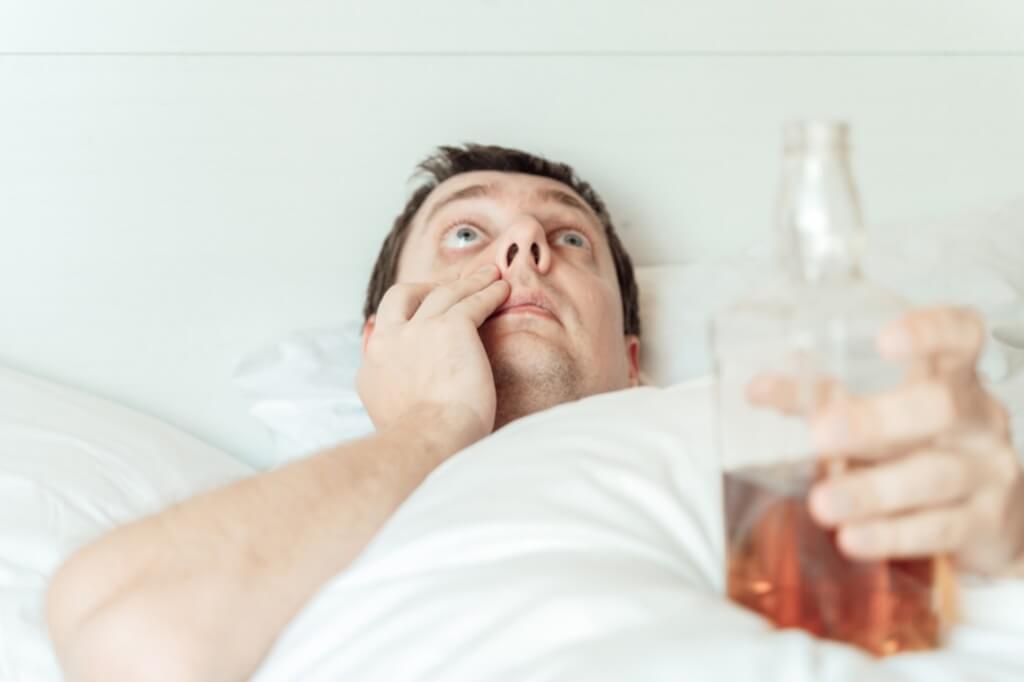
Let La Jolla Recovery provide the best strategies to manage withdrawal from alcohol.
Alcohol withdrawal can be a severe and uncomfortable experience, especially when consumed for prolonged or increased periods. That’s why we’re committed to providing a non-judgmental and supportive environment where you can focus on your recovery.
Our medication-assisted treatment facility offers a range of evidence-based treatments, including medication-assisted therapy and holistic therapies, to help you manage your withdrawal symptoms and minimize physical discomfort. We also prioritize providing personalized treatment plans to ensure optimal recovery outcomes, whether you choose inpatient or outpatient care.
The medical professional team at detox is well-versed in the physical and psychological effects of alcohol withdrawal and addiction, and we’re here to help you navigate this challenging process. We prioritize providing a safe, scientific, supportive, and non-judgmental environment for those seeking recovery services.
At La Jolla Recovery, we believe that alcohol rehabilitation is a life-altering process. We’re here to help you ensure a smooth and comfortable transition. A skilled and experienced support team will be with you every step of the way. They provide the resources and guidance you need to achieve a healthier lifestyle.
Have you ever wondered how much alcohol a person must drink before risking withdrawal syndrome? Do you wonder which methods are best to diagnose and quantify the severity of alcohol withdrawal?
Understanding Alcohol Withdrawal
The medical literature has filled the descriptions of alcoholism withdrawal, including delirium tremens (DTs). Decades later, doctors labeled alcohol withdrawal “brain fever” secondary to “frequent and excessive intoxication.” In that same year, the syndrome was called delirium tremens. A century later, researchers identified abstinence syndrome (manifest by tremulousness and seizures) which was observed in chronically alcohol-intoxicated individuals. Our understanding of these syndromes grew when Victor and Adams used a naturalistic setting to study 206 patients hospitalized for alcoholism. After their patients’ alcohol intake ceased upon hospitalization, 12% had seizures, 18% developed hallucinations, and 5% developed Delirium Tremens. All these symptoms related to the cessation of alcohol consumption.
History of Alcohol Withdrawal
Over the years, various treatments have been tried for alcohol withdrawal symptoms. Fortunately, modern attention to alcohol withdrawal has led to more significant outcomes and minimal discomfort during detoxification. The days of lumbar punctures, hydrotherapy, and the dreadful electroconvulsive shock therapy, insulin coma therapy, and other outdated and ineffective treatments of alcohol withdrawal are long gone. At La Jolla Recovery, we take pride in using the most efficient evidence-based rehabilitation therapies for alcoholism.
Medication-assisted treatment helps clients recover, and our team closely monitors progress clinically. Newer medications like suboxone, Sublocade, and Vivitrol have shown promising results in reducing cravings and withdrawal symptoms. By combining medication-assisted treatment with adequate nutrition and active attention to the central nervous system (CNS), withdrawal symptoms can be minimized, leading to more favorable outcomes. A supportive environment is crucial as clients progress through the phases of alcoholism rehab. Family involvement is also essential, and we encourage you to be actively involved in your loved one’s recovery journey.
Alcohol Withdrawal Statistics and Prevalence
At some point, 20% of men and 10% of women in most Western countries will develop an alcohol-use disorder.
Understanding Use Disorder and Its Impact
This disorder involves repetitive alcohol-related problems in at least two of a dozen areas of life. These conditions can significantly reduce life expectancy by a decade. They often involve severe impairments in social functioning and numerous medical issues. Approximately 50% of individuals with alcohol-use disorders experience symptoms of alcohol withdrawal when they reduce or stop consuming alcohol. In 3 to 5% of these individuals, convulsions or severe confusion (delirium), or both, may develop. Although alcohol-related conditions affect people from all social backgrounds and impact over 20% of patients in most medical settings, a significant number of physicians lack adequate training in identifying and treating these severe problems.
Withdrawal symptoms associated with depressants like alcohol include insomnia, anxiety, increased pulse and respiration rates, body temperature, blood pressure, and hand tremors. Due to the rapid action of ethanol (beverage alcohol), withdrawal symptoms typically begin within 8 hours after blood alcohol levels decrease, peak around 72 hours, and significantly diminish by days 5 through 7 of abstinence. At La Jolla Recovery, alcohol detox centers closely monitor alcohol withdrawal and the severity of its symptoms to determine the most effective treatment options.
Delirium Tremens and Severe Withdrawal
Alcohol withdrawal delirium (AWD), also known as delirium tremens, is the most severe form of alcohol withdrawal syndrome. Its classic clinical presentation includes hyperpyrexia (high fever), tachycardia (fast heart rate), hypertension (high blood pressure), and diaphoresis (sweating). AWD occurs in about 5% of patients with alcohol dependence who participate in clinical trials for inpatient drug treatment for alcohol withdrawal. While clinical features of alcohol withdrawal syndrome can appear within hours of the last drink, delirium typically develops 2 to 3 days after the cessation of alcohol consumption. AWD usually lasts 48 to 72 hours, but there have been case reports of much longer durations. Initially, studies suggested a mortality rate of up to 15%, but advancements in treatment have significantly reduced this rate, with recent studies indicating mortality rates of 0% to 1%. The COVID-19 pandemic has led to a dramatic increase in the number of alcohol abusers. We recognize the impact of stress and anxiety on alcohol consumption and its consequences on our lives.
At La Jolla Recovery, we prioritize addressing alcohol withdrawal symptoms during the detox phase of rehabilitation to enhance the overall effectiveness of the treatment.
Alcohol Withdrawal Treatment
Medication-assisted treatment may be used for the appropriate treatment of alcohol withdrawal delirium. Medications should not be used as a stand-alone treatment for alcohol withdrawal, hallucinations, or other symptoms, so a comprehensive detox approach is suggested. Proper medical and clinical attention during alcohol withdrawal and detox remains provided to your unique needs.
Severe alcohol addiction and withdrawal symptoms like delirium tremens may add to the fear or anxiety of getting help or beginning the alcohol detox step. La Jolla Recovery combines cutting-edge Western techniques with Eastern modalities at our state-of-the-art addiction and detox center. Contact our experienced team of clinicians if any of these alarming signs of alcoholic intoxication feel familiar to you. Be aware that a loved one may have a dual diagnosis, mental health, and abuse substances such as heroin, prescription, or cocaine. Whether adhering to 12 steps or needing a non-spiritual approach, such as Practical Recovery, we want to provide the right program for your alcohol detox and withdrawal needs.
Recovery in San Diego
La Jolla, Pacific Beach, and Mission Bay beaches will wake you up with a breeze to support the positive transition toward health. After alcohol detox, you might continue recovery at one of our rehabs or outpatient centers. Are you wondering if you should choose inpatient or outpatient? We’re here to answer all your alcohol rehabilitation questions. If you abuse Klonopin, benzodiazepines, or heroin, we will attend to your alcohol withdrawal with the proper attention, including multiple substance addictions or opiate support.



Need help for proper alcohol withdrawal and detoxification in San Diego, California?
La Jolla Recovery offers professional attention for alcohol withdrawal with a setting of comfort and relaxation. Contact us for professional alcohol detoxification to begin a journey towards healing.